
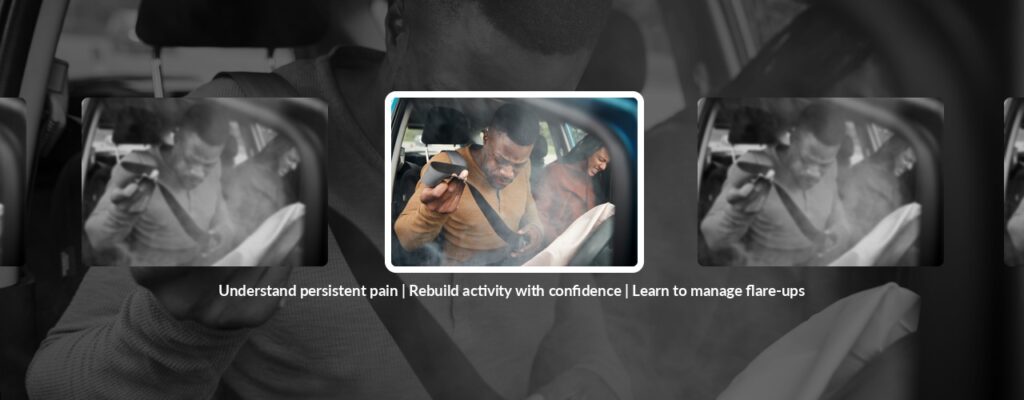
Months after a collision, you may look recovered to everyone else while still planning your day around what hurts. Driving may be uncomfortable. A full workday may leave you drained. Exercise you once enjoyed may feel difficult to restart. Chronic pain after car accident can affect far more than the injured area, and persistent symptoms do not necessarily mean your body is still being damaged each time you move.
Consider the fictional example of Daniel (not his real name), an active professional whose experience represents challenges many people can face after a motor vehicle accident.
When the Accident Is Over but the Pain Is Not
Daniel expected to be sore after his collision. What surprised him was how much his routine changed over the following months. His back felt better on some days and worse on others. Sitting through his commute became difficult, so he began limiting unnecessary trips. He stopped going to the gym because certain exercises made him nervous. After work, he often chose the couch over activities he previously enjoyed.
The pain was real, but simply waiting longer was not helping him regain the life he wanted.
Understanding Chronic Pain After Car Accident
Persistent pain can be complex. An injury may start the pain, but symptoms can continue even after expected tissue-healing time has passed. The nervous system plays an important role in how the body produces and responds to pain. Sleep, stress, physical conditioning, previous pain experiences, and other health factors may also influence symptoms.
This does not mean persistent pain is imaginary or “all in your head.” It means pain is influenced by more than one tissue or structure. For Daniel, understanding this helped shift the question from “What is still damaged?” toward “What do I need to rebuild?”
Making Life Bigger Again
A physical therapy evaluation looked at the activities Daniel was struggling to perform rather than focusing only on his pain rating.
His goals included sitting through his commute, completing a full workday with fewer interruptions, returning to strength training, and spending weekends doing more than recovering from the week.
For people experiencing chronic pain after car accident, goals like these can provide useful markers of progress. Someone may still experience symptoms while becoming stronger, tolerating more activity, or returning to tasks that had been avoided.
Rebuilding Activity Without the All-or-Nothing Approach
Daniel had fallen into a common pattern. On better days, he tried to catch up on everything he had avoided. His symptoms would increase, and he would respond by drastically reducing activity again. His rehabilitation took a more measured approach.
Exercises began at levels he could manage and progressed as his capacity changed. Instead of immediately returning to his old gym routine, he gradually rebuilt strength and endurance. Activities such as sitting and lifting were also increased in stages.
Physical therapy for chronic pain after car accident can use this type of progressive approach to help patients work toward meaningful activities without treating every symptom increase as proof of reinjury.
Learning How to Respond to Flare-Ups
Progress with persistent pain is not always a straight line. Daniel still experienced days when his symptoms increased. The difference was that he developed strategies for responding without abandoning his entire routine.
A flare-up might mean temporarily adjusting an exercise, changing the amount of an activity, or using movements that felt more manageable. As symptoms settled, he could work back toward his usual level. This gave him a plan instead of forcing him to start over every time his pain changed.
When Recovery Needs a Team
Physical therapy is not the only possible component of chronic pain care. Persistent symptoms may affect sleep, mood, work, relationships, and other areas of health. Depending on individual needs, coordinated care may involve physicians, mental health professionals, or other healthcare providers alongside rehabilitation.
Seeking support for these factors does not make the physical symptoms less legitimate. Comprehensive care recognizes that persistent pain can affect many parts of a person’s life.
Build Progress Around What Matters to You
Daniel’s story does not end with a promise that every symptom disappeared. His progress was measured by something more useful: he could do more of what mattered to him and had a clearer strategy for handling difficult days.
Living with chronic pain after car accident does not mean your rehabilitation has to revolve entirely around avoiding discomfort. Physical therapy can help identify which abilities have become limited and create a progressive path toward restoring them.
If a past collision is still setting the boundaries of your daily life, bring the activities you miss most to Fit 4 Life and let those goals become the starting point for your physical therapy plan.
Tags: chronic pain, pain management, Car Accident Injuries, recovery